Categories
Eyecare Information

Stye and Chalazion

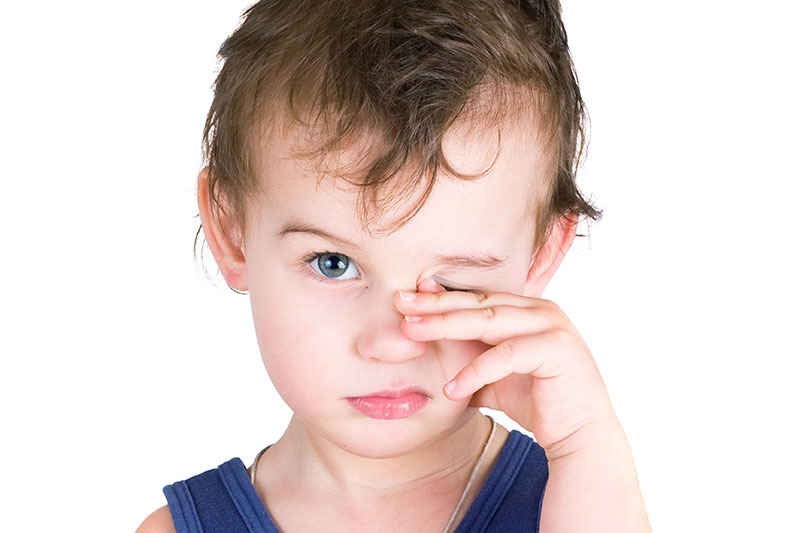
There are many tiny glands along the eyelids, their main function is to produce the lipid of the tear film which helps to reduce its evaporation. Under normal condition, these glands are unobstructed, however any blockage of them will cause stye or chalazion. As kids have a higher chance of getting stye or chalazion, parents should pay more attention of their lid hygiene. The following will talk about the difference between stye and chalazion, their causes, treatment options and preventive measures.

The difference between stye and chalazion

Those who have stye or chalazion will have a lump at the edge of the affecting eyelid. From the pathological point of view, the cause of stye and chalazion is different. Stye is an acute bacterial infection of the glands of the eyelids, which leads to pus inside the glands. Patients with stye usually will feel pain. On the other hand, chalazion is a chronic inflammation of the glands of the eyelids, which leads to metabolic waste being accumulated inside the glands. Patients with chalazion usually will not feel very strong pain, but some discomfort around the lump. The chance of having chalazion is generally higher than stye.

Causes of stye and chalazion

  1. Irregular sleep cycle and staying up late, causing excessive tiredness of eyes
  2. Stressful lifestyle causing hormone imbalance
  3. Using unclean hands to rub eyes
  4. Having too much oily food
  5. Active gland secretion during puberty may increase the chance of gland blockage

Treatment

Treatment options for both stye and chalazion are similar and are as follows:

  1. Patients with mild and early symptoms can try warm compression. Hot clean towel or boiled egg covered with clean towel can be used to cover the affecting area for 10-15 mins, do it 2-3 times per day and persist for 1-2 weeks. Warm compression can usually cure the diseases with mild symptoms. One thing to remind is that the temperature of the towel should not be too high, otherwise it will burn your skin.
  2. Those with severe symptoms should seek help from ophthalmologists. They will prescribe antibiotics to kill the bacteria and to prevent infection from happening, and/or prescribe steroid for relieving the inflammation. Steroid must be used under medical supervision, long term use of steroid will lead to severe complications.
  3. If both warm compression and pharmaceutical treatment are unable to resolve the disease. Ophthalmologist may have to perform a minor surgery to remove the pus or deposits accumulated inside the gland. It is a minor procedure and takes about 15 mins to finish.

Preventive Measures

  1. Having a good lifestyle, and regular sleep cycle
  2. Having less oily food
  3. Keeping good personal hygiene, and avoid using hands to rub eyes
  4. For those kids with frequent recurrence, parents can use Q-tips which are soaked with some diluted baby shampoo (as they are not irritable to eyes) to scrub the upper and lower eyelids daily, so as to ensure good hygiene at and around the eyelids.
Categories
Eyecare Information

High Myopia is a Risk Factors of Various Eye Diseases

High myopia (shortsightedness) is usually defined as having myopia of -6.00D or stronger. The prevalence of young adults with high myopia in Asia was found to be 6.8% to 21.6%.1 The prevalence is far higher in urban than in rural area, it could be inferred that the amount of high myopic population in Hong Kong should be not less than 15%. Vision of high myopic patients can be easily corrected by glasses, however, there are some complications of high myopia that can cause irreversible visual impairment. The following entry will discuss some of the common complications of high myopia.

Pathologic Myopia

The eyeball length of high myopic patients is far longer than those without myopia. Due to such elongation, the retina, macula (centre part of the retina) and choroid (back part of the retina) are susceptible to pathological changes. A recent research from Singapore found that out of 100 high myopic young adults, there were about 8 of them had pathologic myopia. 2 Such figure indicated that the incidence of pathologic myopia is not low. Pathologic myopia can be classified into 5 categories based on different clinical characteristics, among them “myopic choroidal neovascularization” (myopic CNV) is the one that can cause fast vision loss. Patients with myopic CNV will be referred to ophthalmologists immediately for intraocular Anti-Vascular Endothelial Growth Factor injections in a bid to preserve vision and regain some vision loss. High myopic patients should also pay attention to sudden drop of vision and seeing distorted straight lines, and perform annual eye check for ruling out are any early pathological changes.

Retinal Detachment

The vitreous gel inside the eyeball of high myopic patients becomes liquefied and detaches from the retina at a younger age than those without myopia,3 this should be the most probable cause that makes the patients with high myopia more prone to retinal breaks and detachment. A research showed that the risk of high myopic patients to have retinal detachment was 20-fold higher than those without.4 Therefore, if there is any sudden onset of flashes and floaters (which are the classical symptoms of retinal detachment), dilated fundus examination must be performed immediately to rule out retinal detachment.

Glaucoma

Elongation of the eyeball not only causes higher risk of macular degeneration, but also causes stretching effect to the optic nerve head, which in turn may lead to higher risk of glaucoma. A recent research from Beijing found that under similar intraocular pressure, high myopic eyes are with about 7.5 times more risk of developing glaucoma than those without any prescription.5 There is no obvious symptom of early glaucoma, retinal examination is necessary to detect early changes.

Cataract

It is still controversial of whether there is an association between high myopia and age-related cataract, some research did find an association, but some did not.6 However, it should be noted that the incidence of retinal detachment after cataract surgery is slightly higher for patients with high myopia than general population (2.2% for high myopia vs 0.93% for general population). 7,8

By Paco Chan, Registered (Part I) Optometrist


Eyecare information by SWISSCOAT Vision Centre

Address : 23/F Whole Floor, One Midtown, 11 Hoi Shing Rd, Tsuen Wan, N.T., HK

Appointment : +852 2751 8491

Website : www.swisscoat.com


References:

  1. Wong YL, Saw SM. Epidemiology of Pathologic Myopia in Asia and Worldwide. Asia-Pacific journal of ophthalmology (Philadelphia, Pa) 2016; 5(6): 394-402.
  2. Koh V, Tan C, Tan PT, et al. Myopic Maculopathy and Optic Disc Changes in Highly Myopic Young Asian Eyes and Impact on Visual Acuity. American journal of ophthalmology 2016; 164: 69-79.
  3. Akiba J. Prevalence of posterior vitreous detachment in high myopia. Ophthalmology 1993; 100(9): 1384-8.
  4. Pierro L, Camesasca FI, Mischi M, Brancato R. Peripheral retinal changes and axial myopia. Retina (Philadelphia, Pa) 1992; 12(1): 12-7.
  5. Xu L, Wang Y, Wang S, Wang Y, Jonas JB. High myopia and glaucoma susceptibility the Beijing Eye Study. Ophthalmology 2007; 114(2): 216-20.
  6. Pan CW, Cheng CY, Saw SM, Wang JJ, Wong TY. Myopia and age-related cataract: a systematic review and meta-analysis. American journal of ophthalmology 2013; 156(5): 1021-33.e1.
  7. Neuhann IM, Neuhann TF, Heimann H, Schmickler S, Gerl RH, Foerster MH. Retinal detachment after phacoemulsification in high myopia: analysis of 2356 cases. Journal of cataract and refractive surgery 2008; 34(10): 1644-57.
  8. Norregaard JC, Thoning H, Andersen TF, Bernth-Petersen P, Javitt JC, Anderson GF. Risk of retinal detachment following cataract extraction: results from the International Cataract Surgery Outcomes Study. The British journal of ophthalmology 1996; 80(8): 689-93.
Categories
Eyecare Information

Elderly Vision Problem Increases The Risk of Fall

Falling is a serious health-related issue for elderly. According to statistics, one-third of the elderly living in the community would fall at least once a year. The seniors may not only lose mobility and cause depression, the study showed that elderly had hip fracture after falling could lead to a higher death rate in the next 6 months. Poor vision is one of the significant risk factors causing falling. According to studies, 12-20% elderly aged 75 years or above have visual problem. Visual problem that increasing falling risk is not only about visual acuity, which means the resolution of the eye, but also contrast sensitivity, depth perception and visual field. Here I am going to introduce few common conditions which can impair elderly’s visual functions.

1. Uncorrected Refractive Error and Inappropriate Glasses


Vision from uncorrected refractive error

Elderlies who were used to have good eyesight when they were young may have longsightedness, shortsightedness or astigmatism when getting old. In the Chinese elderly population, more than 10% of them have uncorrected refractive error. The uncorrected refractive error impairs their visual acuity to ≤50% of a normal adult’s vision. Besides uncorrected refractive error, sometimes new glasses that have dramatic changes in refractive correction can also increases risk of fall. Large changes in refractive correction alters the image magnification and difficult for elderly to get used to. Some elderly who are inexperienced in using progressive lenses and bifocals may increase falling risk when walking. When prescribing glasses to elderly, optometrists will take all these considerations and give the most suitable prescription to meet the requirement of both vision and ease adaptation.


2. Cataract


Vision from cataract.

Cataract accounts for almost 50% of visual impairment in elderly. Besides decreasing visual acuity, cataract also decreases contrast and glare tolerance. Elderly with cataract may also found difficulty in night vision. To help patients with cataract, optometrists can monitor the disease changes and give opinions on performing cataract surgery, wearing prescription sunglasses to slow down cataract progression and prescribe tinted lenses to improve the visual functions.


3. Glaucoma


Vision from glaucoma

Glaucoma contributes more than 12% of visual impairment in elderly population. Glaucoma is frequently remained undiagnosed because the patients are unaware of the painless vision loss. Their central vision is generally unaffected, however the peripheral vision will gradually shrink until leaving tunnel vision. When losing peripheral vision, elderly become prone to bump into obstacles and the worst case is falling from staircase because they lost the inferior visual field. Study showed glaucoma increases falling risk of a year for 3-4 times. Optometrists can conduct comprehensive eye examinations to diagnose glaucoma before functional vision loss takes place.


4. Age-related Macular Degeneration (AMD)


Vision from age-related macular degeneration

AMD is the leading cause of severe vision loss in the elderly in developed regions. It deprives the central vision and greatly hinders the mobility of elderly. Similar to glacuoma, patients can be symptom-free in early stages. Study showed ⅔ of elderly with AMD have trouble in balancing which results in clumsiness and falling risk. Optometrists play an important role to diagnose, manage and monitor AMD in the community elderly population.


5. Diabetic Retinopathy


Vision from diabetic retinopathy

Diabetic retinopathy is the ocular complication of diabetes mellitus. It decreases almost all visual parameters including visual acuity, contrast sensitivity, glare tolerance, colour vision and visual field. The patient’s vision may appear blurry and being dotted with black spots. Diabetes itself also damages peripheral nerves and causes motor disorders. Patients have to note that early stages diabetic retinopathy does not have any symptoms and they are reminded to have comprehensive eye examination at least once per year.


All in all, elderly are susceptible to eye conditions that can result in visual impairment and increase the risk of fall. Optometrists are capable of assessing their visual functions and diagnosing ocular conditions. Elderly should receive comprehensive eye examination at least in a yearly basis to ensure their vision is safe to walk.

By Jeff Tang, Registered (Part I) Optometrist


Eyecare information by SWISSCOAT Vision Centre

Address : 23/F Whole Floor, One Midtown, 11 Hoi Shing Rd, Tsuen Wan, N.T., HK

Appointment :+852 2751 8491

Website : www.swisscoat.com


References:

Baril, F. (2013). Prevention of falls among seniors with a visual impairment.

Brundle, C., Waterman, H. A., Ballinger, C., Olleveant, N., Skelton, D. A., Stanford, P., & Todd, C. (2015). The causes of falls: views of older people with visual impairment. Health Expectations, 18(6), 2021-2031.

Dhital, A., Pey, T., & Stanford, M. R. (2010). Visual loss and falls: a review. Eye, 24(9), 1437-1446.

Elliott, D. B. (2014). The Glenn A. Fry award lecture 2013: blurred vision, spectacle correction, and falls in older adults. Optometry and vision science, 91(6), 593-601.

Fong, D. S., Barton, F. B., Bresnick, G. H., & Early Treatment Diabetic Retinopathy Study Research Group. (1999). Impaired color vision associated with diabetic retinopathy: Early Treatment Diabetic Retinopathy Study report no. 15. American journal of ophthalmology, 128(5), 612-617.

Freeman, E. E., Munoz, B., Rubin, G., & West, S. K. (2007). Visual field loss increases the risk of falls in older adults: the Salisbury eye evaluation. Investigative ophthalmology & visual science, 48(10), 4445-4450.

Kuang, T. M., Tsai, S. Y., Liu, C. J., Ko, Y. C., Lee, S. M., & Chou, P. (2016). Seven-year incidence of uncorrected refractive error among an elderly Chinese population in Shihpai, Taiwan: The Shihpai Eye Study. Eye, 30(4), 570-576.

Lamoreux, E. L., Chong, E., Wang, J. J., Saw, S. M., Aung, T., Mitchell, P., & Wong, T. Y. (2008). Visual impairment, causes of vision loss, and falls: the Singapore Malay Eye Study. Investigative Ophthalmology & Visual Science, 49(2), 528-533.

We use cookies to personalise content and ads, to provide social media features and to analyse our traffic. We also share information about your use of our site with our social media, advertising and analytics partners.
Cookies settings
Accept
Privacy & Cookie policy
Privacy & Cookies policy
Cookie name Active

Privacy Policy

What information do we collect?

We collect information from you when you register on our site or place an order. When ordering or registering on our site, as appropriate, you may be asked to enter your: name, e-mail address or mailing address.

What do we use your information for?

Any of the information we collect from you may be used in one of the following ways: To personalize your experience (your information helps us to better respond to your individual needs) To improve our website (we continually strive to improve our website offerings based on the information and feedback we receive from you) To improve customer service (your information helps us to more effectively respond to your customer service requests and support needs) To process transactions Your information, whether public or private, will not be sold, exchanged, transferred, or given to any other company for any reason whatsoever, without your consent, other than for the express purpose of delivering the purchased product or service requested. To administer a contest, promotion, survey or other site feature To send periodic emails The email address you provide for order processing, will only be used to send you information and updates pertaining to your order.

How do we protect your information?

We implement a variety of security measures to maintain the safety of your personal information when you place an order or enter, submit, or access your personal information. We offer the use of a secure server. All supplied sensitive/credit information is transmitted via Secure Socket Layer (SSL) technology and then encrypted into our Payment gateway providers database only to be accessible by those authorized with special access rights to such systems, and are required to?keep the information confidential. After a transaction, your private information (credit cards, social security numbers, financials, etc.) will not be kept on file for more than 60 days.

Do we use cookies?

Yes (Cookies are small files that a site or its service provider transfers to your computers hard drive through your Web browser (if you allow) that enables the sites or service providers systems to recognize your browser and capture and remember certain information We use cookies to help us remember and process the items in your shopping cart, understand and save your preferences for future visits, keep track of advertisements and compile aggregate data about site traffic and site interaction so that we can offer better site experiences and tools in the future. We may contract with third-party service providers to assist us in better understanding our site visitors. These service providers are not permitted to use the information collected on our behalf except to help us conduct and improve our business. If you prefer, you can choose to have your computer warn you each time a cookie is being sent, or you can choose to turn off all cookies via your browser settings. Like most websites, if you turn your cookies off, some of our services may not function properly. However, you can still place orders by contacting customer service. Google Analytics We use Google Analytics on our sites for anonymous reporting of site usage and for advertising on the site. If you would like to opt-out of Google Analytics monitoring your behaviour on our sites please use this link (https://tools.google.com/dlpage/gaoptout/)

Do we disclose any information to outside parties?

We do not sell, trade, or otherwise transfer to outside parties your personally identifiable information. This does not include trusted third parties who assist us in operating our website, conducting our business, or servicing you, so long as those parties agree to keep this information confidential. We may also release your information when we believe release is appropriate to comply with the law, enforce our site policies, or protect ours or others rights, property, or safety. However, non-personally identifiable visitor information may be provided to other parties for marketing, advertising, or other uses.

Registration

The minimum information we need to register you is your name, email address and a password. We will ask you more questions for different services, including sales promotions. Unless we say otherwise, you have to answer all the registration questions. We may also ask some other, voluntary questions during registration for certain services (for example, professional networks) so we can gain a clearer understanding of who you are. This also allows us to personalise services for you. To assist us in our marketing, in addition to the data that you provide to us if you register, we may also obtain data from trusted third parties to help us understand what you might be interested in. This ‘profiling’ information is produced from a variety of sources, including publicly available data (such as the electoral roll) or from sources such as surveys and polls where you have given your permission for your data to be shared. You can choose not to have such data shared with the Guardian from these sources by logging into your account and changing the settings in the privacy section. After you have registered, and with your permission, we may send you emails we think may interest you. Newsletters may be personalised based on what you have been reading on theguardian.com. At any time you can decide not to receive these emails and will be able to ‘unsubscribe’. Logging in using social networking credentials If you log-in to our sites using a Facebook log-in, you are granting permission to Facebook to share your user details with us. This will include your name, email address, date of birth and location which will then be used to form a Guardian identity. You can also use your picture from Facebook as part of your profile. This will also allow us and Facebook to share your, networks, user ID and any other information you choose to share according to your Facebook account settings. If you remove the Guardian app from your Facebook settings, we will no longer have access to this information. If you log-in to our sites using a Google log-in, you grant permission to Google to share your user details with us. This will include your name, email address, date of birth, sex and location which we will then use to form a Guardian identity. You may use your picture from Google as part of your profile. This also allows us to share your networks, user ID and any other information you choose to share according to your Google account settings. If you remove the Guardian from your Google settings, we will no longer have access to this information. If you log-in to our sites using a twitter log-in, we receive your avatar (the small picture that appears next to your tweets) and twitter username.

Children’s Online Privacy Protection Act Compliance

We are in compliance with the requirements of COPPA (Childrens Online Privacy Protection Act), we do not collect any information from anyone under 13 years of age. Our website, products and services are all directed to people who are at least 13 years old or older.

Updating your personal information

We offer a ‘My details’ page (also known as Dashboard), where you can update your personal information at any time, and change your marketing preferences. You can get to this page from most pages on the site – simply click on the ‘My details’ link at the top of the screen when you are signed in.

Online Privacy Policy Only

This online privacy policy applies only to information collected through our website and not to information collected offline.

Your Consent

By using our site, you consent to our privacy policy.

Changes to our Privacy Policy

If we decide to change our privacy policy, we will post those changes on this page.

Save settings
Cookies settings